Category: Uncategorized

  • These Countries Would Collapse First in a World War III — Some Will Definitely Surprise You

    A Geopolitical Breakdown of the Nations Most at Risk in a Global Conflict

    War isn’t just about tanks and troops — it’s about economics, resilience, and strategy. In the hypothetical (yet increasingly relevant) scenario of a World War III, not all nations are built to withstand the pressure.

    Some would collapse within weeks — financially, politically, or socially.

    This list isn’t based on military power alone. It takes into account economic fragility, geopolitical exposure, debt levels, food dependence, and civil unrest potential.

    Let’s break down the countries that are most likely to fail first if global war erupts — and why.


    1. Lebanon

    • Why it’s vulnerable: Lebanon is already grappling with one of the worst economic collapses in modern history. High inflation, political instability, and food import dependence make it extremely fragile.
    • What could happen: A global conflict could cut off aid and worsen its internal chaos, leading to total institutional breakdown.

    2. Sri Lanka

    • Why it’s vulnerable: Still recovering from economic default and civil unrest in 2022–2023.
    • What could happen: War would likely disrupt supply chains, and any drop in tourism or trade would push the nation back into deep crisis.

    3. Pakistan

    • Why it’s vulnerable: High debt, energy insecurity, political instability, and rising extremism.
    • What could happen: Under wartime stress, internal conflict could escalate, and the military might struggle to hold the country together.

    4. Nigeria

    • Why it’s vulnerable: Oil-dependent economy, high youth unemployment, and ongoing internal conflicts.
    • What could happen: A global war could tank oil prices or disrupt exports, cutting off a major revenue source and fueling unrest.

    5. Argentina

    • Why it’s vulnerable: Chronic inflation, IMF dependency, and fiscal instability.
    • What could happen: War would put even more pressure on its fragile economy, making default or political upheaval almost inevitable.

    6. Egypt

    • Why it’s vulnerable: Massive food import dependency, high debt, and public discontent.
    • What could happen: If global supply chains collapse, Egypt could face food shortages and social chaos.

    7. North Korea (Yes, really)

    • Why it’s vulnerable: Despite military bravado, the regime is extremely isolated and relies on China for economic survival.
    • What could happen: A global war that pulls China inward could leave North Korea exposed and economically paralyzed.

    8. Turkey

    • Why it’s vulnerable: High inflation, controversial leadership, and regional tensions.
    • What could happen: If war expands into the region, Turkey’s economy could spiral, and civil-military conflict could erupt.

    9. El Salvador

    • Why it’s vulnerable: Bitcoin gamble, external debt, and limited industrial base.
    • What could happen: A major global shock could destroy investment flows, and the country may struggle to finance even basic imports.

    10. South Africa

    • Why it’s vulnerable: Deep inequality, power grid failures, and high unemployment.
    • What could happen: Wartime pressures could intensify domestic unrest and cripple infrastructure even further.

    In a World War III scenario, collapse wouldn’t just come from bombs — it would come from economic fragility, social fracture, and dependency on fragile systems.

    While major powers would be focused on the battlefield, these nations could implode from within.

    Want more insights into geopolitics, economic risk, and global strategy? Subscribe to our newsletter for weekly breakdowns.


  • How AI Personal Stylists Are Redefining Luxury Fashion in 2025

    From Haute Couture to Hyper-Customization — The Future of Style Is Powered by Algorithms

    In 2025, the world of luxury fashion is undergoing a revolution — and it’s not coming from Milan or Paris. It’s emerging from lines of code, data sets, and machine learning models. Welcome to the age of the AI Personal Stylist.

    As the wealthy demand more personalization, exclusivity, and seamless service, artificial intelligence is stepping into a space once ruled solely by elite human stylists. The result? A new kind of luxury experience — ultra-personalized fashion recommendations, intelligent wardrobe curation, and real-time style optimization, all driven by AI.

    In this post, we explore how AI stylists are transforming the way the elite dress, shop, and express their identity in 2025.


    WHAT IS AN AI PERSONAL STYLIST?

    An AI personal stylist is a technology-driven assistant that uses algorithms, personal data, and fashion databases to:

    • Analyze body type, preferences, past purchases, and cultural context
    • Recommend clothing combinations and new purchases
    • Create smart wardrobes that adapt to seasons, travel, and social calendars
    • Predict future fashion trends and tailor suggestions accordingly

    These stylists don’t just suggest what to wear — they curate an identity across digital and physical wardrobes.


    TOP AI STYLIST PLATFORMS USED BY THE ELITE IN 2025

    1. LUXAI – A members-only fashion concierge that syncs with global designer catalogs and delivers real-time lookbooks based on events, climate, and mood.
    2. ModeGPT – A generative AI trained on decades of fashion archives, personal taste data, and current luxury trends.
    3. WardrobeOS – A smart wardrobe system that physically catalogs clothing via RFID and suggests daily outfits using an app.
    4. StitchMind for Haute Couture – High-end, AI-assisted custom design platform used by celebrities and royalty.

    These services often pair AI with human consultants to provide a hybrid luxury experience.


    WHY THE WEALTHY ARE EMBRACING AI STYLING

    • Time Efficiency: Elite individuals don’t have time to plan outfits — AI makes it seamless.
    • Ultra-Personalization: Style suggestions are based on body shape, color palette, recent mood tracking, and even calendar integration.
    • Discretion: Private, algorithmic styling eliminates the need for in-person fittings or public attention.
    • Data-Driven Elegance: The AI optimizes looks based on environment, lighting, camera angles, and social context.
    • Global Integration: Whether in Dubai, New York, or Tokyo, users receive curated suggestions tailored to each locale.

    Luxury in 2025 is about intelligent minimalism — fewer pieces, perfectly selected.


    THE IMPACT ON THE FASHION INDUSTRY

    • Haute Couture Houses are integrating AI to co-design looks with VIP clients in virtual ateliers.
    • Luxury E-commerce platforms are deploying AI stylists to personalize the user journey and boost sales.
    • Smart Mirrors and AR Fitting Rooms powered by AI are now standard in luxury boutiques.
    • Sustainability: AI optimizes purchases, reducing waste and impulsive luxury consumption.

    Designers are no longer just artists — they are collaborating with machine intelligence to create the future.


    THE FUTURE: AI AS A STYLE SIGNATURE

    Imagine your AI stylist booking your looks months ahead for every gala, boardroom, or island escape. It syncs with your travel plans, updates based on body metrics, and suggests tailored accessories before you even ask.

    That’s not luxury tomorrow. That’s luxury today.

    For the ultra-wealthy, AI isn’t replacing personal taste — it’s refining it into something iconic.


    STYLE MEETS SINGULARITY

    In 2025, the question isn’t “What are you wearing?” — it’s “Who styled your algorithm?”

    The most stylish individuals are leveraging machine learning to elevate their elegance, streamline their wardrobes, and define modern sophistication.

    Because true luxury isn’t just about price — it’s about precision, prediction, and presence.

    Want to stay ahead of the AI-luxury curve? Subscribe to our newsletter for weekly insights into wealth tech, elite fashion, and digital sophistication.

  • Why Rich People Are Investing in Second Passports in 2025 — And What It Means for Everyone Else

    How the Global Elite Are Using Citizenship to Unlock Freedom, Security, and Financial Advantage

    In 2025, one of the most powerful assets the wealthy are adding to their portfolios isn’t another luxury car, NFT, or piece of real estate — it’s a second passport.

    Across the globe, ultra-wealthy individuals are buying or earning dual citizenships through investment, fast-tracked residency, and special diplomatic programs. This isn’t just about travel convenience anymore. It’s about freedom, tax strategy, geopolitical protection, and long-term wealth planning.

    And the numbers prove it: interest in “citizenship by investment” (CBI) and “golden visas” is at an all-time high.

    But what exactly are second passports? Why are rich people prioritizing them in 2025? And should the rest of us be paying attention?

    Let’s break it down.


    WHAT IS A SECOND PASSPORT?

    A second passport gives an individual dual citizenship, meaning legal recognition by two countries. This allows the holder to:

    • Live and work in either country
    • Travel more freely (visa-free access to more countries)
    • Access education, healthcare, and banking systems abroad
    • Leverage tax or regulatory advantages

    Some second passports are earned through ancestry or marriage, while others are purchased or acquired via investment — especially by the wealthy.


    TOP REASONS THE RICH ARE GETTING SECOND PASSPORTS IN 2025

    1. Geopolitical Instability
      • War, political unrest, or rising authoritarianism in their home countries leads the wealthy to seek “Plan B” citizenships
    2. Tax Optimization
      • Some countries offer lower taxes, no capital gains, or flexible crypto tax treatment
    3. Freedom of Movement
      • Visa-free travel to 140+ countries makes international business and personal mobility seamless
    4. Asset Protection
      • Holding citizenship in different jurisdictions allows for more diversified banking, estate planning, and trust structures
    5. Lifestyle Access
      • Live part-time in luxury destinations like Portugal, Dubai, or the Caribbean
    6. Generational Wealth Planning
      • Children inherit multiple citizenships, gaining access to elite education and healthcare abroad

    TOP COUNTRIES FOR SECOND PASSPORTS & RESIDENCY BY INVESTMENT IN 2025

    CountryProgramMinimum InvestmentKey Benefits
    PortugalGolden Visa€280,000 (real estate)EU access, tax-friendly, safe & stable
    St. Kitts & NevisCitizenship by Investment$250,000 (donation)Fastest passport in the world (4 months)
    MaltaNaturalization Program€600,000 (contribution)EU access, banking benefits
    UAE (Dubai)Long-term Residency$550,000 (property)Tax-free income, luxury living
    DominicaCitizenship by Donation$100,000 (donation)Low-cost, passport in ~6 months

    These programs are legal, fast, and specifically designed to attract wealthy foreigners.


    WHO’S DOING IT: THE NEW PASSPORT CLASS

    • Tech Entrepreneurs: Looking to protect assets and operate globally
    • Crypto Millionaires: Seeking favorable tax and regulatory environments
    • High-Net-Worth Families: Planning for generational freedom and access
    • CEOs and Executives: Using passports for business agility and security

    They’re not just buying homes. They’re buying sovereignty.


    WHAT THIS MEANS FOR THE REST OF US

    The rise of second passports is a symptom of deeper global shifts:

    • Increasing inequality: The rich have tools to escape national decline, while the poor stay behind
    • Globalization of individuals: Identity and loyalty are becoming fluid
    • Sovereign independence: Citizenship is becoming a private asset, not a birthright

    It raises real questions about fairness, freedom, and the future of borders.

    But it also opens up possibilities:

    • Middle-class professionals are increasingly exploring affordable residency programs
    • Remote workers can leverage low-cost international residency for freedom
    • Dual citizenship can be a long-term strategy for families

    THE POWER OF A PASSPORT IN 2025

    A passport used to be a simple document. Now it’s a status symbol, a wealth strategy, and a tool for global leverage.

    The wealthy are securing second citizenships not just to travel — but to protect themselves, their assets, and their future.

    In a world of volatility, having more than one place to call home is becoming the ultimate flex.

    Want to learn how to legally expand your citizenship options and protect your freedom? Subscribe to our newsletter for weekly insights into elite living, finance, and global mobility.

  • WhatsApp to Stop Working on Older iPhones Starting May 5, 2025

    Global Update Will Affect Millions of Users — Find Out If Your Device Is On the List

    In a move that will impact millions of users worldwide, WhatsApp has announced that starting May 5, 2025, it will no longer support older iPhones running outdated versions of iOS. This global decision is part of the platform’s ongoing effort to strengthen security, improve performance, and keep up with the latest mobile technologies.

    Whether you use WhatsApp for business, staying in touch with family, or daily messaging, this change could mean losing access to one of the world’s most essential communication apps — unless you take action now.


    WHICH IPHONES WILL BE AFFECTED?

    According to official sources, WhatsApp will discontinue support for devices that cannot run at least iOS 12. While the full list hasn’t been confirmed by WhatsApp, this likely includes:

    • iPhone 5 and earlier
    • iPhone 5C
    • Some versions of iPhone 5S (if not updated)

    If your iPhone is unable to update to iOS 12 or higher, you may lose the ability to:

    • Send or receive messages
    • Access chat history
    • Make or receive calls on WhatsApp

    WHY IS WHATSAPP DOING THIS?

    There are several reasons behind this global update:

    • Security: Older iOS versions are more vulnerable to attacks and bugs
    • Performance: WhatsApp is optimizing its app for faster, more modern devices
    • Compatibility: Supporting outdated software restricts innovation and feature development

    This is part of a broader tech industry trend: as platforms evolve, legacy devices are slowly phased out to make room for better functionality.


    WHAT YOU SHOULD DO NOW

    If you’re currently using an older iPhone, here’s what you can do to avoid being cut off:

    1. Check Your iOS Version: Go to Settings > General > About on your iPhone
    2. Update if Possible: If your phone supports iOS 12 or higher, update immediately
    3. Backup Your Chats: Use iCloud to save your chat history in case you upgrade your device
    4. Consider Upgrading Your iPhone: Newer iPhones will support WhatsApp fully and give you access to all features and security updates

    HOW THIS AFFECTS USERS GLOBALLY

    This is not a region-specific update — it affects users around the world. Whether you’re in the U.S., Europe, Asia, or Latin America, if you rely on WhatsApp and own an outdated iPhone, you’ll need to take steps to stay connected.

    For many, WhatsApp is a primary tool for work, education, healthcare, and even financial transactions. Losing access could have real-life consequences, especially in countries where WhatsApp is a dominant form of communication.


    DON’T WAIT UNTIL YOU’RE LOCKED OUT

    The May 5th deadline is approaching fast. Take a few minutes to check your iOS version, make necessary updates, and back up your data.

    In the digital age, staying current isn’t just about having the latest features — it’s about staying secure, connected, and in control.

    Need help choosing your next phone or backing up your WhatsApp data? Subscribe to our newsletter for weekly guides on tech, money, and digital freedom.

  • The 5 Most Expensive Cars in the World in 2025

    Ultimate Machines of Power, Prestige, and Unmatched Engineering Excellence

    In the world of ultra-luxury, few symbols speak louder than a hypercar. These aren’t just vehicles — they are rolling works of art, engineered to perfection, produced in ultra-limited quantities, and owned by the elite few who seek status, speed, and sophisticati

    Here are the 5 most expensive cars in the world in 2025, each representing the pinnacle of automotive technology, design, and exclusivity.


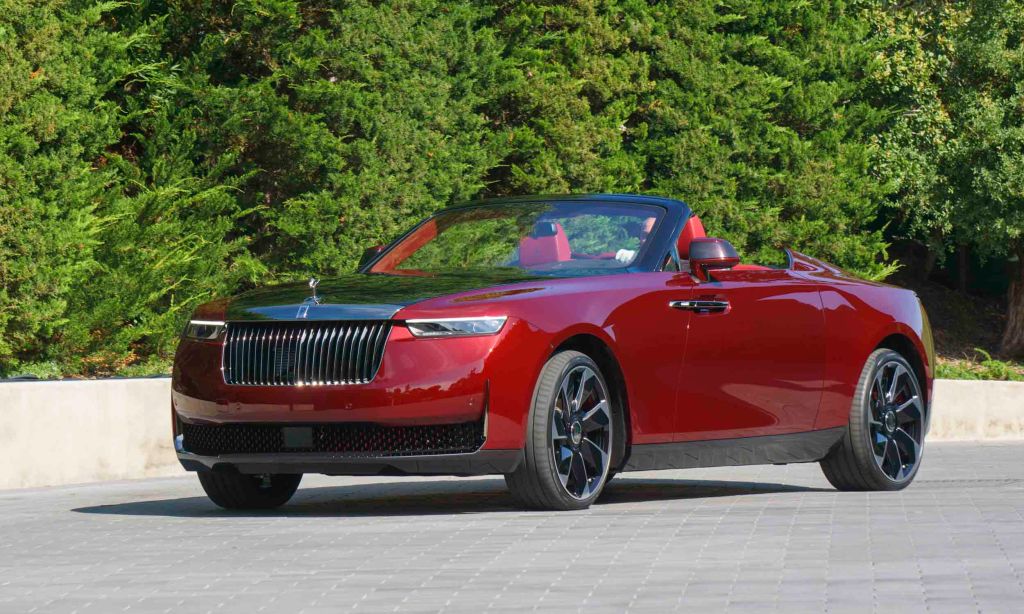
    1. Rolls-Royce La Rose Noire Droptail — $30 Million

    The most expensive new car in the world in 2025, the Rolls-Royce La Rose Noire Droptail, is a custom-built marvel of design and craftsmanship.

    • Price: $30,000,000
    • Engine: 6.75L V12 Twin-Turbo
    • Production: 1 of 4 worldwide
    • Highlight: Inspired by a black Baccara rose, this coachbuilt convertible features a removable roof, luxury red wood interior, and an Audemars Piguet clock integrated into the dashboard.

    It’s not just a car — it’s a statement of timeless elegance.


    2. Bugatti Chiron Profilée — $10.8 Million

    The final variant of the legendary Chiron line, the Bugatti Chiron Profilée was sold at auction and remains one of the rarest Bugattis ever made.

    • Price: $10,800,000
    • Engine: 8.0L W16 Quad-Turbo
    • Top Speed: 380 km/h (electronically limited)
    • Production: 1 of 1

    With unmatched speed and exclusivity, it blends raw power with refined design.


    3. Pagani Huayra Codalunga — $7.4 Million

    An ultra-aerodynamic, long-tail version of the Huayra, the Codalunga is a tribute to 1960s race cars, built for collectors who love art and speed.

    • Price: $7,400,000
    • Engine: 6.0L AMG V12 Twin-Turbo
    • Horsepower: 840 hp
    • Production: 5 units only

    Each unit is hand-crafted with custom interiors and bodywork tailored to the owner’s specifications.


    4. SP Automotive Chaos “Zero Gravity” — $6.4 Million

    The Chaos Zero Gravity is a Greek-made hypercar designed to push the limits of performance with the goal of being the world’s first “ultracar.”

    • Price: $6,400,000
    • Engine: 4.0L V10 Twin-Turbo Hybrid
    • Horsepower: Over 3,000 hp (claimed)
    • 0-100 km/h: Under 1.8 seconds

    Still surrounded by mystery and skepticism, it represents the future of extreme engineering.


    5. Bugatti Mistral — $5.2 Million

    A convertible tribute to the end of Bugatti’s W16 era, the Mistral is a roofless beauty with unrivaled power and elegance.

    • Price: $5,200,000
    • Engine: 8.0L W16 Quad-Turbo
    • Top Speed: Over 420 km/h
    • Production: 99 units

    This car isn’t just about speed — it’s about marking the end of an era in unforgettable style.


    MACHINES FOR THE 0.0001%

    These vehicles are more than modes of transportation — they are the ultimate flex, blending performance, rarity, heritage, and craftsmanship into one powerful package.

    For collectors and billionaires, these cars aren’t expenses — they’re investments, experiences, and status symbols.

    Want more content like this? Subscribe to our newsletter for the latest in luxury, wealth, and elite living.

  • 7 Habits of People Who Rebuild Their Lives After Losing Everything

    How the Most Resilient People Rise From Rock Bottom to Build a Life Stronger Than Before

    Losing everything can feel like falling into a black hole — financially, emotionally, or both. Whether it’s a failed business, a divorce, a personal crisis, or a complete financial collapse, starting over is one of the most painful and powerful experiences a person can go through.

    But here’s the truth: some people don’t just survive it. They rise, rebuild, and create lives far more meaningful, stable, and prosperous than before.

    So what do they do differently?

    Here are the 7 powerful habits of people who rebuild their lives after losing it all — and how you can adopt them today.


    1. THEY ACCEPT, FAST

    Resilient people don’t waste energy denying what happened. They accept the reality quickly — even if it hurts.

    • No blame, no excuses. They take ownership and start asking, “What’s next?”
    • They don’t stall in shame. Acceptance clears the mental space to think clearly.
    • They face the numbers. Whether it’s debt, loss, or failure, they confront the facts fast.

    Acceptance is power. It’s not giving up — it’s the first move in taking control.


    2. THEY BUILD A MICRO-RHYTHM

    When your life falls apart, your brain craves structure. Survivors know that creating a simple daily rhythm is like building a raft in stormy water.

    • Wake up at the same time.
    • Set 3 clear priorities per day.
    • Include one thing that gives you peace (walk, workout, journal).

    They don’t obsess over productivity hacks — they focus on small, consistent motion.


    3. THEY FOCUS ON CASH FLOW FIRST, PASSION LATER

    People who rebuild don’t wait for the perfect job or the dream opportunity. They just get back to earning something.

    • Drive Uber.
    • Sell unused items.
    • Offer freelance services.
    • Get part-time work.

    Cash flow buys time. It reduces anxiety and creates breathing room for bigger moves later.


    4. THEY PROTECT THEIR MENTAL SPACE RELENTLESSLY

    After a collapse, your mind is your most fragile and most powerful asset.

    • They cut out toxic people. Even if it’s family or old friends.
    • They stop consuming junk (news, gossip, negative media).
    • They read or listen to things that rebuild mindset.

    Mental discipline becomes their new non-negotiable habit.


    5. THEY GET HELP WITHOUT EGO

    Winners who bounce back ask for help. Mentors, therapists, financial advisors, or even online communities.

    • They don’t care about looking weak.
    • They know speed matters more than pride.
    • They use resources others ignore.

    No one rebuilds alone. The faster you reach out, the faster you rise.


    6. THEY PLAN LONG, ACT SHORT

    People who rise from nothing set bold, long-term goals — but they act with urgency every single day.

    • They keep a vision board, a journal, or a vivid description of their comeback life.
    • They break it down into daily non-negotiables.
    • They never confuse motion with progress.

    They move like they’re in a marathon but with the mindset of a sprinter.


    7. THEY BUILD FOR RESILIENCE, NOT JUST SUCCESS

    This time, they don’t just build income or status. They build resilience into everything:

    • Multiple income streams
    • Emergency savings
    • Therapy and emotional support
    • Strong boundaries

    Their comeback life is designed to be shockproof. No more castles built on sand.


    YOUR REBUILD STARTS WITH ONE DECISION

    You don’t need to have all the answers today. You don’t need to know how it’ll all work out. You just need to decide that you will not stay where you are.

    These habits aren’t magic. They’re not flashy. But they work.

    People who rebuild their lives don’t wait for motivation — they act through it, even on the darkest days.

    And the result? A life that’s not just restored, but reimagined.

    Subscribe to our newsletter for more real-world strategies to rebuild your money, mindset, and mission.

  • From Rock Bottom to Financial Freedom: The 7-Step Blueprint to Rebuild Your Wealth After Hitting Zero

    How to Rise Stronger, Smarter, and Wealthier After Financial Collapse

    Losing everything financially can feel like the end of the world. Whether it was a failed business, overwhelming debt, a divorce, or unexpected life events, hitting financial rock bottom is a harsh reality many people face.

    But here’s the truth: falling isn’t the end. It’s an opportunity — a brutal, uncomfortable, but powerful opportunity to rebuild stronger than ever.

    In this article, you’ll discover a 7-step blueprint designed to help you rise from financial collapse, regain control, and create a future richer in wealth, wisdom, and resilience.


    STEP 1: ACCEPT YOUR CURRENT REALITY WITHOUT SHAME

    The first step toward recovery is acceptance. Own your situation without self-blame or denial.

    • Audit your reality: List all debts, obligations, income sources, and assets (even if it’s just your skills).
    • Remove emotional anchors: Shame and guilt slow you down. Treat this moment like a strategic starting point, not a life sentence.
    • Mindset shift: You are not your bank balance. Your identity is separate from your financial status.

    Acceptance clears the mental fog so you can start making sharp, unemotional decisions.


    STEP 2: PERFORM A FULL FINANCIAL DIAGNOSIS

    Now that you’ve accepted where you are, it’s time to understand exactly what’s broken and what can be salvaged.

    • Total your liabilities: List debts by type, interest rate, urgency.
    • Total your assets: Even small things matter — old electronics, unused skills, side gigs.
    • Analyze spending: Where did the leak start? Emotional spending? Overscaled business? Unexpected events?

    Knowing the full landscape is like having a battle map. Without it, you’re fighting blind.


    STEP 3: BUILD AN EMERGENCY SURVIVAL PLAN

    Before thinking about wealth, think about survival. The goal here is to stop financial bleeding.

    • Slash unnecessary expenses: Ruthlessly eliminate anything non-essential.
    • Negotiate essential bills: Call providers to reduce or delay payments.
    • Prioritize essentials: Food, housing, basic transport, utilities — everything else can wait.

    Building a survival runway buys you precious time to recover and rebuild.


    STEP 4: INCOME FIRST, IDEAL JOB LATER

    You don’t have the luxury of pride right now. Focus on any cash flow before chasing your dream job.

    • Freelance skills: Writing, graphic design, tutoring, delivery, sales.
    • Gig economy: Uber, DoorDash, Upwork — fast money beats no money.
    • Sell unused items: Furniture, tech, clothes — liquidate to build cash reserves.

    You’re not stuck here forever. Short-term income is fuel for long-term strategy.


    STEP 5: SMART DEBT MANAGEMENT

    Debt is often what drags people deeper once they’ve fallen. You must deal with it strategically.

    • Negotiate: Many lenders prefer negotiation over non-payment.
    • Consolidate: Consider debt consolidation if it lowers your interest rates.
    • Prioritize: Focus on high-interest and survival-critical debts first.
    • Bankruptcy (if needed): As a last resort, use it as a strategic reset, not a failure.

    Your goal isn’t just to survive — it’s to start clearing the future runway.


    STEP 6: REBUILD CREDIT INTELLIGENTLY

    Credit is your future weapon for building wealth through real estate, investments, and business.

    • Secured credit cards: Start small, pay balances in full.
    • Installment loans: Responsible use rebuilds your credit profile.
    • Payment history: Never miss payments again, even small ones.

    Slowly, steadily, you’ll re-establish yourself as a trustworthy financial actor.


    STEP 7: PLAN YOUR COMEBACK STRATEGY FOR TRUE WEALTH

    Now that survival and stability are secured, it’s time to build your future.

    • Emergency fund first: Target 3-6 months of living expenses.
    • Invest early: Start with low-cost index funds or diversified ETFs.
    • Upskill: Learn high-demand skills for bigger income jumps.
    • Side businesses: Build income streams you control.

    Wealth isn’t built by lottery tickets — it’s built by discipline and consistent action.


    YOUR COMEBACK STORY STARTS NOW

    Hitting financial rock bottom isn’t the end — it’s the foundation of a future that few people are brave enough to build.

    Most millionaires and successful entrepreneurs have, at some point, lost everything. The difference is, they refused to stay down.

    Your story can be one of resilience, strength, and ultimate freedom.

    Start today. Step by step. Brick by brick. Future you will thank you.

    Subscribe to our newsletter for expert tips, motivation, and practical guides to accelerate your financial comeback journey!

  • Luxury Travel in 2025: Why Ultra-High-Net-Worth Individuals Are Booking Space Flights and Private Island Retreats

    The New Era of Elite Travel Redefining Luxury Experiences Beyond Earth and Across the World’s Hidden Paradises

    Luxury travel in 2025 has reached astronomical heights — quite literally. For the world’s ultra-high-net-worth individuals (UHNWIs), traditional five-star resorts and first-class flights no longer satisfy the desire for exclusivity and unforgettable experiences.

    Today’s wealthiest travelers are venturing into space aboard private rockets and escaping to private island sanctuaries inaccessible to ordinary tourists. These trends reflect not just evolving consumer tastes, but a broader cultural shift: luxury is now about rarity, experience, and personal narrative.

    In this article, we explore how elite travel has transformed, the hottest destinations of 2025, and what this means for the future of luxury experiences.


    SPACE FLIGHTS: THE ULTIMATE STATUS SYMBOL

    Once the realm of astronauts and science fiction, space travel is now a reality for the wealthy few.

    Leading Companies Offering Space Travel:

    • Virgin Galactic: Suborbital flights offering several minutes of zero gravity, panoramic Earth views, and astronaut wings.
    • Blue Origin: More frequent and competitively priced suborbital trips, with VIP experiences.
    • SpaceX: Private orbital missions, including stays aboard the SpaceX Starship, aimed at multi-day space excursions.

    Cost:

    • Virgin Galactic: Approx. $450,000 per seat
    • Blue Origin: Estimated $300,000-$400,000 per ticket
    • SpaceX Orbital Mission: Starting from $50 million per mission

    Why It’s So Hot:

    • Exclusivity: Less than 1% of humans have experienced space.
    • Bragging Rights: “I’ve been to space” is the ultimate conversation piece.
    • Personal Transformation: Many report a life-changing “Overview Effect” upon seeing Earth from orbit.

    Space tourism in 2025 is not just a trip — it’s an investment in a once-in-a-lifetime personal narrative.


    PRIVATE ISLAND RETREATS: COMPLETE DISCONNECTION IN STYLE

    While some UHNWIs are looking skyward, others seek secluded earthly paradises. The private island rental market has exploded post-pandemic, fueled by demand for ultimate privacy, luxury, and security.

    Top Private Island Destinations in 2025:

    • Necker Island, British Virgin Islands (owned by Richard Branson): Fully privatized for exclusive guests.
    • Song Saa Private Island, Cambodia: Ultra-sustainable luxury with bespoke wellness programs.
    • Calivigny Island, Grenada: 80 acres of pure luxury, combining French Colonial and Balinese styles.
    • Fregate Island Private, Seychelles: Home to rare wildlife and maximum seclusion.

    Costs:

    • Rentals range from $50,000 to over $500,000 per week, depending on location and services.

    Why It’s So Hot:

    • Total Privacy: Zero paparazzi, zero interruptions.
    • Tailored Experiences: Custom chefs, butlers, activities, and wellness programs.
    • Security: Controlled access, private security teams, and personalized health staff.

    In 2025, a private island isn’t just a vacation spot — it’s a fully curated, private kingdom.


    THE NEW DEFINITION OF LUXURY: EXPERIENCE OVER OWNERSHIP

    Today’s elite travelers aren’t looking to show off material possessions — they’re seeking exclusive experiences that few others can replicate.

    Key Shifts in Luxury Travel Trends:

    • Personalization: Customized itineraries, personal guides, private chefs, and bespoke adventure packages.
    • Sustainability: Preference for eco-conscious luxury resorts and carbon-offset travel.
    • Digital Detox: Retreats that eliminate digital distractions to reconnect with nature and self.
    • Health and Wellness: Private clinics, holistic healing programs, and biohacking retreats.

    Travel is no longer about where you stay; it’s about what the journey transforms within you.


    IMPACT ON THE LUXURY INDUSTRY

    The rise of space tourism and private island escapes is reshaping the entire luxury landscape:

    • Hospitality Brands: High-end hotel chains are acquiring private islands and launching exclusive space partnerships.
    • Travel Agencies: Bespoke travel concierge services are now focused on “journeys of transformation.”
    • Luxury Real Estate: Demand for private island ownership and space tourism investments is soaring.

    Investors and entrepreneurs tuned into these trends have massive opportunities ahead, from luxury tech to experiential tourism startups.


    THE FUTURE OF LUXURY TRAVEL IS LIMITLESS

    As we move deeper into 2025, the definition of “luxury” continues to evolve beyond tangible goods into unparalleled, transformative experiences. For the ultra-wealthy, the greatest status symbol is no longer a yacht or a penthouse — it’s the ability to say, “I’ve been to the stars,” or “I own a piece of paradise.”

    Luxury travel is no longer confined to the Earth — it’s about expanding horizons, literally and metaphorically.

    Want more exclusive insights into luxury trends, investment opportunities, and the future of elite living? Subscribe to our newsletter today.

  • Apple Launches AI-Powered Financial Advisor for iPhone Users — A Game-Changer for Personal Wealth Management in 2025

    How Apple’s New AI Financial Advisor Is Set to Disrupt Banking, Investing, and the Future of Wealth Building

    In a groundbreaking move that is sending shockwaves across the tech and finance sectors, Apple has officially launched its first-ever AI-powered financial advisor for iPhone users. Announced during the 2025 WWDC event, this innovative service aims to revolutionize personal wealth management by making sophisticated financial guidance accessible to millions worldwide.

    The fusion of Apple’s seamless user experience with cutting-edge artificial intelligence is poised to disrupt traditional banking, robo-advisors, and even elite wealth management firms. But what exactly does this new AI financial advisor do, and why is it a massive game-changer for investors, savers, and the future of personal finance?

    Let’s dive deep into everything you need to know.


    WHAT IS APPLE’S AI FINANCIAL ADVISOR?

    Apple’s AI financial advisor is an integrated feature within the Wallet and Apple Finance apps. Leveraging real-time data analytics, behavioral modeling, and predictive AI, it provides personalized financial recommendations based on each user’s:

    • Spending patterns
    • Income streams
    • Savings habits
    • Investment portfolios
    • Financial goals

    Key Features Include:

    • Smart Budgeting: Dynamic expense tracking and personalized budgeting suggestions.
    • Investment Advice: Tailored portfolio construction and rebalancing tips aligned with user risk tolerance.
    • Goal Tracking: Customized strategies for achieving savings goals (e.g., buying a home, retirement, education funds).
    • Debt Management: Optimized repayment plans for credit cards, loans, and mortgages.
    • Real-Time Alerts: Warnings about overspending, investment risks, and missed opportunities.

    All powered by Apple’s private on-device AI architecture, ensuring user data remains secure and confidential.


    WHY THIS IS A MASSIVE DISRUPTION TO TRADITIONAL FINANCE

    The launch of Apple’s AI financial advisor shakes up the landscape in multiple ways:

    • Accessibility: Professional-grade financial advice, once reserved for the wealthy, now available to anyone with an iPhone.
    • Affordability: No hefty management fees or asset minimums; users pay a small monthly subscription or bundle with existing Apple services.
    • Trust and Simplicity: Consumers already trust Apple for privacy and user experience — giving it a huge advantage over traditional banks and fintech startups.
    • Network Effect: With over 1.5 billion active iPhones worldwide, Apple instantly becomes one of the largest financial platforms overnight.

    For traditional banks, wealth management firms, and fintech apps, the message is clear: adapt or risk becoming obsolete.


    IMPACT ON THE INVESTMENT LANDSCAPE

    Investors need to pay attention to several key implications:

    1. Democratization of Investing: More users entering markets with personalized advice could fuel retail investing booms.
    2. Shifts in Financial Products: Expect Apple to partner with ETF providers, robo-advisory platforms, and sustainable investment funds.
    3. Increased Competition: Traditional robo-advisors like Betterment, Wealthfront, and even brokerage giants like Fidelity and Charles Schwab will face intense pressure to innovate.
    4. Data-Driven Wealth Management: Hyper-personalization and predictive modeling will redefine how portfolios are constructed and managed.

    Savvy investors might look for opportunities in companies poised to collaborate with or benefit from Apple’s financial ecosystem expansion.


    RISKS AND CHALLENGES AHEAD

    While the innovation is exciting, there are challenges Apple must navigate:

    • Regulatory Scrutiny: Financial advising carries strict regulatory oversight. Apple will need to ensure full compliance to avoid legal pitfalls.
    • Complex User Needs: High-net-worth individuals and complex portfolios may still require human advisors.
    • Market Volatility: AI predictions can falter in unpredictable financial environments; educating users about risks will be essential.

    Apple’s strategy appears to focus first on mass-market users before potentially rolling out “Apple Private Wealth” services for higher-tier clients.


    WHAT USERS AND INVESTORS SHOULD DO NEXT

    For Consumers:

    • Explore Apple’s financial tools and assess whether the AI advisor aligns with your needs.
    • Maintain diversified investments and remember that AI provides advice, not guarantees.
    • Leverage smart budgeting tools to improve day-to-day financial health.

    For Investors:

    • Watch for ripple effects across fintech, banking, and investment management sectors.
    • Identify stocks and ETFs poised to benefit from AI-driven personal finance.
    • Stay updated on regulatory changes affecting AI financial services.

    THE FUTURE OF FINANCE IS HERE — AND IT’S IN YOUR POCKET

    Apple’s AI-powered financial advisor isn’t just a new app — it’s the beginning of a seismic shift in how wealth is built, managed, and protected in the digital age. As 2025 unfolds, expect rapid changes in consumer behavior, financial services competition, and investment dynamics.

    For users, this means unprecedented access to smarter money management. For investors, it opens new frontiers of growth — and new challenges to navigate.

    The future of finance is personal, intelligent, and always at your fingertips. Are you ready?

    Stay ahead of the revolution. Subscribe to our newsletter for exclusive updates on tech, finance, and the next big investment opportunities.

  • Bitcoin Surpasses $70,000 Again After Fed Rate Decision — What It Means for Investors in 2025

    Historic Breakout Signals a New Era for Crypto and Traditional Markets

    In a stunning turn of events, Bitcoin has once again shattered expectations, surging past the $70,000 mark shortly after the Federal Reserve announced its latest interest rate decision. For investors around the world, this milestone in 2025 is more than just a psychological breakthrough — it’s a signal of shifting tides in global finance, asset allocation, and wealth strategy.

    But what does Bitcoin’s resurgence truly mean in a year marked by economic uncertainty, technological disruption, and changing monetary policy? In this deep dive, we explore why Bitcoin is rallying, what it indicates for the broader markets, and how smart investors are positioning themselves to ride the wave.


    BITCOIN’S JOURNEY BACK TO $70,000: WHY NOW?

    Several powerful forces have combined to fuel Bitcoin’s latest rally:

    • Federal Reserve’s Policy Pivot: In a highly anticipated move, the Fed announced a shift toward more accommodative monetary policy, signaling potential rate cuts later in the year. This immediately reduced the attractiveness of bonds and cash savings, reigniting interest in alternative assets like Bitcoin.
    • Institutional Demand: Major asset managers and pension funds have increased allocations to crypto, particularly through spot Bitcoin ETFs that gained regulatory approval in late 2024.
    • Macroeconomic Uncertainty: Persistent inflation concerns, geopolitical instability, and fears of stagflation have driven investors to seek stores of value outside traditional fiat currencies.
    • Technological Optimism: Advances in Bitcoin’s Layer 2 solutions, especially the Lightning Network and tokenized asset platforms, have enhanced scalability and practical adoption.

    The convergence of these factors has created a “perfect storm” for Bitcoin’s price surge.


    WHAT THE $70,000 BREAKOUT REALLY MEANS

    Crossing $70,000 is not just about a headline number. It carries deeper implications:

    • Validation of Bitcoin as a Macro Asset: Bitcoin is increasingly behaving like a macroeconomic hedge — similar to gold, but with higher growth potential.
    • Institutional Normalization: Crypto exposure is no longer fringe; it’s becoming a mainstream portfolio component for diversified wealth management.
    • Investor Sentiment Shift: Retail investors, after a cautious 2022-2024, are returning with renewed vigor, buoyed by stronger fundamentals and regulatory clarity.

    This breakout cements Bitcoin’s status not just as a speculative asset, but as a strategic allocation for serious investors.


    FED RATE DECISION: THE CATALYST BEHIND THE SURGE

    The Fed’s latest decision was pivotal:

    • Maintained rates at 4.25%, but signaled dovish tone for late 2025.
    • Cited “moderating inflation” but warned of “persistent financial fragility.”
    • Left the door open for up to two rate cuts before year-end.

    Lower interest rates reduce opportunity costs for holding non-yielding assets like Bitcoin. Moreover, with fiat returns shrinking, investors naturally pivot toward higher-risk, higher-reward opportunities — and Bitcoin is once again the prime beneficiary.


    WHAT SMART INVESTORS ARE DOING RIGHT NOW

    1. Rebalancing Portfolios: Increasing allocation to Bitcoin (typically 1-5% for conservative portfolios, 5-15% for aggressive growth portfolios).
    2. Exploring Related Assets: Looking into Bitcoin mining stocks, Layer 2 token investments, and blockchain infrastructure companies.
    3. Implementing Risk Management: Using stop-loss orders, setting profit targets, and diversifying within crypto.
    4. Preparing for Volatility: Understanding that rapid surges often bring sharp pullbacks — but maintaining a long-term perspective.
    5. Staying Informed: Following regulatory updates, technological developments, and macroeconomic indicators closely.

    The mantra for 2025: Strategic exposure, not blind speculation.


    POTENTIAL SCENARIOS FOR BITCOIN IN 2025

    Bullish Scenario: Bitcoin tests $90,000 by Q4 2025, driven by institutional FOMO (fear of missing out) and expanding global adoption.

    Base Case Scenario: Bitcoin consolidates between $65,000-$80,000, forming a new “strong hands” accumulation base.

    Bearish Scenario: External shocks (like harsh regulations or black swan events) could trigger temporary corrections back to $50,000 support zones.

    Being prepared for all outcomes is key.


    A NEW ERA FOR BITCOIN AND INVESTORS

    Bitcoin’s reclaiming of the $70,000 level is not just another rally — it’s a redefinition of its role in global finance. As central banks, governments, corporations, and everyday investors adjust to a changing economic reality, Bitcoin stands poised as a pivotal pillar of the future financial system.

    For investors, the question is no longer “Should I consider Bitcoin?” but rather “How can I intelligently integrate Bitcoin into my wealth strategy?”

    Are you ready to navigate the new financial frontier? Subscribe to our newsletter and stay ahead of the next wave.